How Do You Request Samples From a Plywood Supplier?
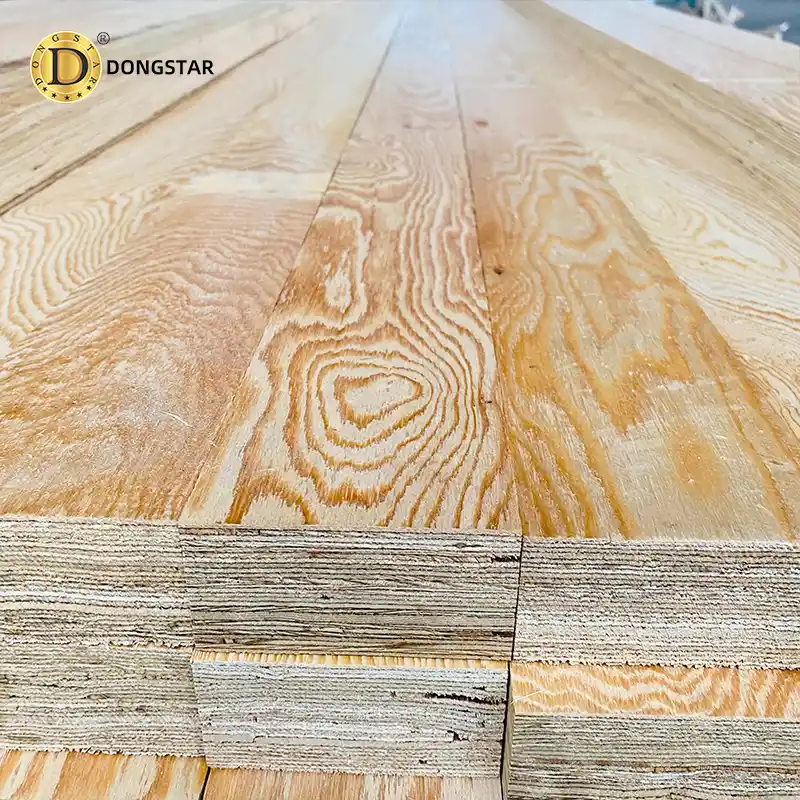
Request plywood samples by sending the supplier a written specification covering panel size, thickness, face and back grade, core species, ply construction, adhesive class, surface finish, intended use, and required documents. For an 18 mm panel, ask for at least 3–5 representative pieces rather than one hand-selected piece, and measure thickness at 6–8 positions after delivery. State whether the sample must come from normal production or a custom run. Confirm sample cost, courier charge, preparation time, batch identification, and whether the same construction will be used for mass production. A useful sample request compares measurable specifications, not appearance alone.
A supplier can only send a useful sample when the request describes the product closely enough to separate one construction from another. “18 mm plywood” leaves open the face species, core material, number of veneers, adhesive, sanding level, density range, grade, and intended service environment.
For example, a buyer sourcing 18 mm furniture panels might specify 1220 × 2440 mm production sheets, birch or hardwood faces, a poplar or eucalyptus core, calibrated sanding, and a stated thickness tolerance. Even a difference of 0.5 mm can affect CNC settings, edge banding, cabinet joints, stacking height, and component interchangeability.
The first message should therefore contain the same technical language that will later appear in the quotation and purchase order. A practical request may include:
-
Product type and intended application
-
Production sheet size, such as 1220 × 2440 mm or 1250 × 2500 mm
-
Nominal thickness, such as 9, 12, 15, or 18 mm
-
Face and back veneer species and grade
-
Core species and required construction
-
Minimum or preferred number of plies
-
Sanded, calibrated, overlaid, coated, or unfinished surface
-
Adhesive or bonding requirement
-
Required emissions, technical, or sustainability documents
-
Sample dimensions, quantity, and delivery address
That level of detail also helps when requesting Commercial Plywood, because products sold under the same commercial name may use different core combinations and face veneers. Two 18 mm panels can look similar from the face while showing noticeably different edge structure after cutting.
Sample size should match the checks you plan to perform. A 300 × 300 mm piece may be enough for checking face quality, color, sanding, thickness, edge structure, or coating adhesion, while a larger piece is more suitable for routing, drilling, screw fixing, lamination, or CNC cutting.
For supplier qualification, requesting 3–5 pieces gives more information than evaluating one selected panel. Ask for pieces from normal production where possible, and request a batch or production reference so the sample can later be matched against the quotation and factory records.
A simple sampling plan can look like this:
| Check | Practical Sample Method | What to Record |
|---|---|---|
| Thickness | Measure 6–8 points per piece | Minimum, maximum, average |
| Surface | Review both faces under normal lighting | Patches, splits, sanding marks |
| Core | Inspect 4 cut edges | Gaps, overlaps, veneer arrangement |
| Squareness | Measure corners and diagonals | Dimensional difference |
| Machining | Make 5–10 cuts or drilled holes | Tear-out, edge quality |
| Bonding | Use the agreed test method | Test conditions and result |
| Finish | Apply intended coating or laminate | Surface reaction and adhesion |
Measurements should be written down rather than described as “good” or “acceptable.” If 5 pieces are supplied and each piece is checked at 8 locations, the buyer already has 40 thickness readings, which provides a more useful picture than measuring one corner of one sample.
Thickness also needs to be checked against the specification rather than nominal wording. If a project requires 18.0 mm material within a purchaser-defined tolerance, record each reading and compare the spread; do not assume every panel marketed as 18 mm will measure exactly 18.0 mm after sanding and conditioning.
Weight can provide another useful comparison. Weighing a known sample size allows buyers to compare panels from different suppliers, although weight alone should not be treated as a grade indicator because species, moisture level, veneer structure, adhesive content, and construction all affect the result.
Moisture should be discussed with the supplier when the panels will be processed in controlled indoor conditions. Wood products exchange moisture with surrounding air, so a sample tested immediately after international transport may not behave exactly like the same material after several days of conditioning.
For machining trials, use the tools and settings expected in production whenever possible. A furniture factory could cut 10 components, drill repeated fixing holes, route an edge profile, apply edge banding, and compare surface quality before approving material for a larger order.
Face appearance should be evaluated separately from structural construction. Check both faces for veneer splits, repairs, discoloration, sanding marks, open defects, grain differences, and patched areas according to the grade being purchased.
After surface inspection, examine every available edge. A 300 × 300 mm sample provides four exposed sides, making it easier to note core gaps, overlapping veneers, uneven layers, voids, and veneer thickness differences that may not be visible from the panel face.
Bonding requirements need equally clear wording. In European purchasing, EN 314-2 is commonly referenced for plywood bonding quality, while EN 636 identifies plywood according to intended conditions of use; the specification should state the applicable requirement instead of using broad descriptions such as “waterproof plywood.”
Do not replace formal laboratory testing with a casual soak test when compliance is required. A workshop water check may help compare samples internally, but documented conformity should rely on the specified standard, test method, product declaration, or accredited report required for the target market.
Documentation should arrive with the physical sample whenever certification forms part of the purchase requirement. Ask the supplier to identify the manufacturer, product covered, certificate or report number, issuing organization, scope, validity where applicable, and the panel construction associated with the document.
A logo in a PDF does not establish that every plywood construction sold by a company falls under the same scope. Compare the company name, manufacturing site where relevant, product description, standard reference, issue date, and certification scope before linking the document to a sample.
Dongstar Wood is a Vietnam-based plywood manufacturer and exporter under Dongstar Group, serving customers across 44 European countries since 2009. Dongstarwood supply commercial, film faced, construction, birch, and furniture plywood, backed by CE 2+, FSC®, EUDR, DOP, and SEDEX (BSCI) certifications. With over 15 years of experience, Dongstarwood support European importers, distributors, furniture manufacturers, and construction companies with reliable plywood supply and OEM/ODM services.
For buyers supplying Europe, regulatory information should also be discussed separately from general product quality. A sample may machine well while its supporting documentation still requires review by the importer, distributor, technical team, or compliance staff before a commercial shipment is approved.
The shipment itself needs identification. Ask the supplier to mark every sample with a code such as DS-18-01 rather than writing only “18 mm plywood,” especially when 4 or 5 constructions are being reviewed at the same time.
The code should appear on the sample label, quotation, specification sheet, photographs, and test record. If the supplier later changes the core from poplar to eucalyptus or changes the face grade, use a new revision such as DS-18-02 instead of treating both materials as the same sample.
Courier arrangements should be settled before the supplier prepares the package. Confirm the number of pieces, sample dimensions, gross weight, sample charge, packing cost, courier fee, preparation date, dispatch date, and tracking information.
International buyers should also distinguish sample preparation time from shipping time. A courier may take 3–6 business days after dispatch, while a custom construction might require additional production time before the package leaves the factory.
Sample charges can be handled in several ways. A supplier may provide small offcuts without charge, charge only courier costs, invoice custom samples, or agree to credit a sample fee against a later order; the commercial arrangement should be written into the email or quotation rather than assumed.
After delivery, photograph the unopened package and sample labels before testing. When 3 suppliers each send 4 constructions, that creates 12 sample references, so consistent labeling prevents test results and quotations from being mixed during technical review.
A comparison sheet can then place the same information side by side:
| Item | Supplier A | Supplier B | Supplier C |
|---|---|---|---|
| Nominal thickness | 18 mm | 18 mm | 18 mm |
| Samples received | 4 | 4 | 4 |
| Thickness points checked | 32 | 32 | 32 |
| Face defects recorded | Record count | Record count | Record count |
| Core gaps observed | Record count | Record count | Record count |
| CNC pieces produced | 10 | 10 | 10 |
| Documents checked | Yes/No | Yes/No | Yes/No |
Use the same test conditions for every supplier. If one 18 mm sample is measured at 8 points while another receives only one measurement, the resulting comparison says more about the inspection method than about the plywood.
Feedback to the supplier should contain numbers, photographs, and sample codes. Instead of writing “the thickness is inconsistent,” report that sample DS-18-01 was measured at 8 positions and state the minimum and maximum readings found.
The same approach works for visible defects. If 2 core gaps appear across four cut edges, record their approximate width and location; if 3 of 10 routed parts show veneer tear-out, record the tool, operation, and affected pieces rather than using broad quality descriptions.
A revised sample should not overwrite the first record. Label revisions separately and compare the changed specification with the previous version so purchasing and production teams can see whether the face, core, adhesive, sanding process, thickness target, or another item was changed.
Sample approval should finally be connected to the purchase specification. The order can reference the approved sample code, panel construction, dimensional requirements, packaging, documentation, and agreed inspection method so the factory knows which version is being purchased.
For larger orders, buyers may also retain one approved reference piece while the supplier retains another. When production begins months later, both parties can compare current material with the same physical reference instead of relying on photographs or a 2026 email thread.
A sample still represents only a small quantity of production. Approving 5 pieces cannot establish that 5,000 full sheets will all match them, so commercial orders should use written tolerances, batch controls, inspection criteria, and agreed acceptance rules in addition to the approved sample.
The most useful request therefore asks the supplier to confirm one final point in writing: whether the sample uses the same face veneer, core construction, adhesive system, sanding process, thickness specification, and manufacturing route proposed for the commercial order. If any of those items will change during mass production, the difference should be stated before sample approval.